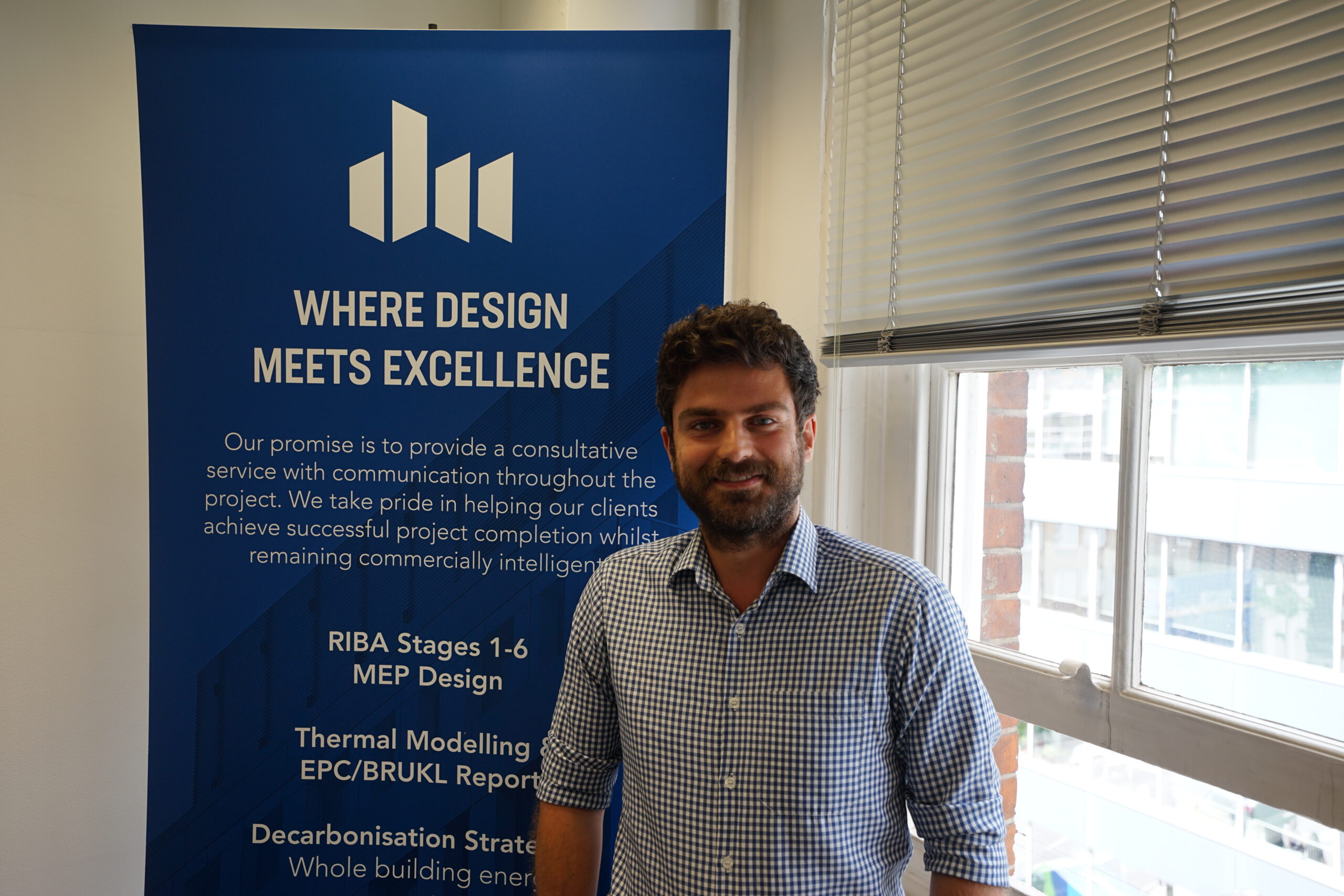
Welcome Kasra Zargar to DCC MEP Ltd as Our New Intermediate Mechanical Engineer
News
We’re delighted to welcome Kasra to DCC MEP Ltd as he begins his journey with...
Over the past ten years, the MEP sector in the UK has transformed dramatically. What was once a largely traditional engineering and contracting discipline has become a technology driven, sustainability focused and highly collaborative part of modern construction. Digital innovation, regulatory change, shifting workforce expectations and the drive to reduce carbon have reshaped the industry, making today’s landscape almost unrecognisable compared to 2016.
The industry has embraced Building Information Modelling (BIM) at pace. Following the UK Government mandate for BIM Level 2 on public projects in 2016, companies have embedded it into everyday practice. Teams now use BIM not just for 3D visualisation, but as the foundation for fully integrated project delivery. Engineers coordinate mechanical, electrical and plumbing systems alongside architectural and structural elements with far greater accuracy, reducing clashes and avoiding costly rework on site.
Digital capability has continued to advance. Teams now use digital twins as real time virtual replicas of buildings to monitor and optimise performance throughout their lifecycle. AI driven tools support design processes by automating routine tasks and identifying potential issues before they arise, allowing teams to work faster and smarter.
Sustainability has moved from a secondary consideration to a central priority. Stricter UK regulations and growing client expectations have pushed MEP teams to lead on energy efficient and low carbon solutions. Standards such as BREEAM now shape project requirements, driving the adoption of efficient HVAC systems, low flow plumbing, renewable energy and intelligent building controls.
The UK’s commitment to Net Zero by 2050 has accelerated this shift. MEP professionals now contribute at the earliest stages of design, modelling energy use, refining heating and cooling strategies and actively supporting decarbonisation goals. Retrofit projects have also gained momentum, with building owners prioritising upgrades that reduce operational carbon without full redevelopment.

The sector continues to face skills shortages, particularly in digital and sustainability focused roles. Demand for professionals with expertise in BIM, energy modelling and tools such as Revit remains high. In response, businesses are investing in apprenticeships and early career development to build future talent pipelines.
Working patterns have also evolved. Hybrid working and remote collaboration have become standard in many design roles, enabling companies to access talent beyond traditional construction hubs and meet growing expectations around flexibility.
Regulation has tightened significantly, placing greater emphasis on safety, performance and wellbeing. Updated standards for ventilation, fire safety, energy use and indoor air quality now play a central role in MEP design decisions.
The COVID-19 pandemic reinforced the importance of healthy indoor environments. As a result, designers now prioritise air quality, ventilation and filtration systems that support occupant wellbeing and reduce health risks.

The 2017 Grenfell Tower fire marked a turning point for the industry. It exposed critical failures in fire safety design and led to sweeping regulatory reform. The Building Safety Act 2022 and updates to Approved Document B introduced stricter compliance requirements, clearer responsibilities and the need for a robust golden thread of information. MEP designers now place greater focus on coordinated fire strategies, safer materials, comprehensive documentation and accountability at every stage of a project.
The MEP sector has grown steadily, despite facing significant challenges. Supply chain disruption during the pandemic created delays and increased costs, forcing companies to rethink how they manage materials, labour and risk.
Even so, the sector has shown resilience. Many contractors have reported increased turnover, supported by strong demand for retrofit and public sector projects. There is a growing sense of confidence as construction activity stabilises and opportunities expand.
Smart technology has become a defining feature of modern buildings. Sensors now track temperature, occupancy, humidity and energy use in real time, feeding data into automated systems that improve efficiency and enable predictive maintenance. MEP teams and facility managers actively use these insights to optimise building performance and reduce operational costs.
So, what does all this mean for MEP professionals, clients and the built environment in the UK?
In just ten years, the UK MEP industry has transformed from a largely technical trades discipline to a strategic partner in sustainable, resilient and intelligent building design. The pace of change shows no sign of slowing, but that evolution presents exciting opportunities for those ready to embrace innovation, collaboration and forward-thinking solutions.